01 · e.g. 1X NEO, Figure
Humanoid and home robots
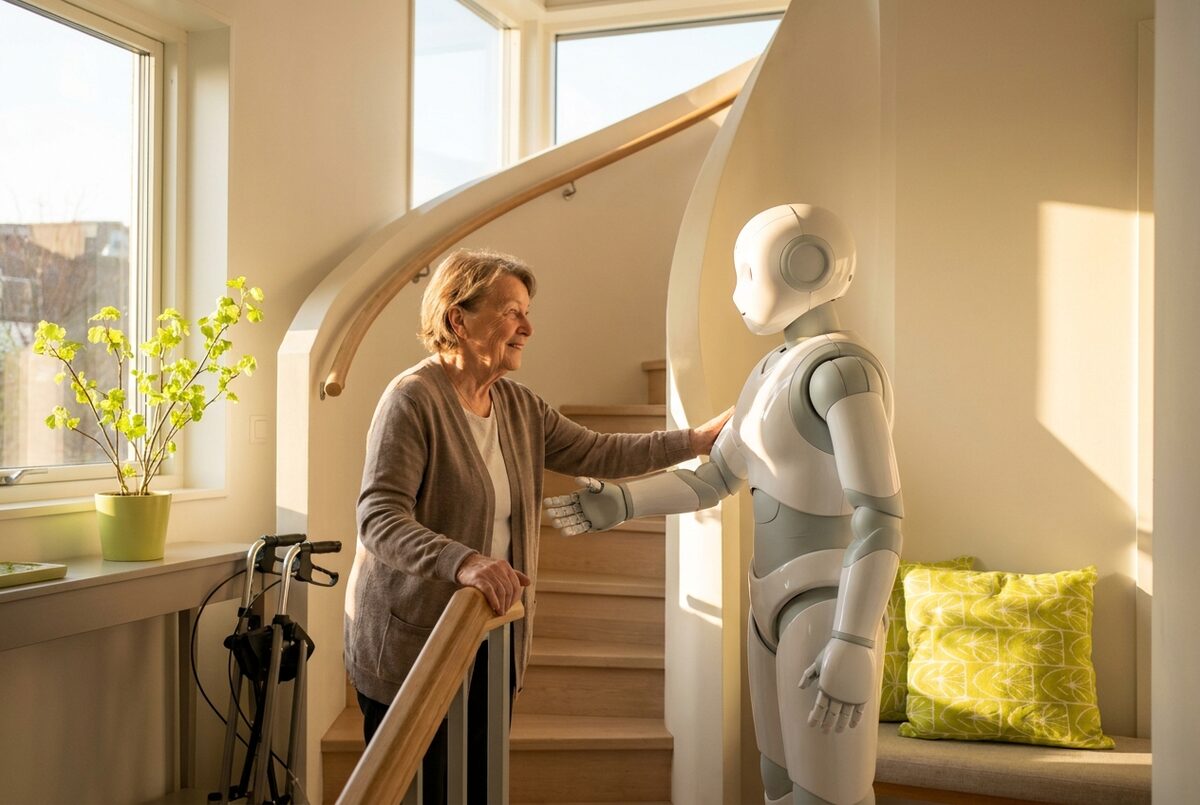
About to share hallways with older adults. They need to know a towel bar is not a grab bar.
How do we test a home-health AI before anyone relies on it in a patient's home? HealthDojo combines synthetic safety scenes, walkable worlds, and traces showing what vision models look at, flag, or miss.*
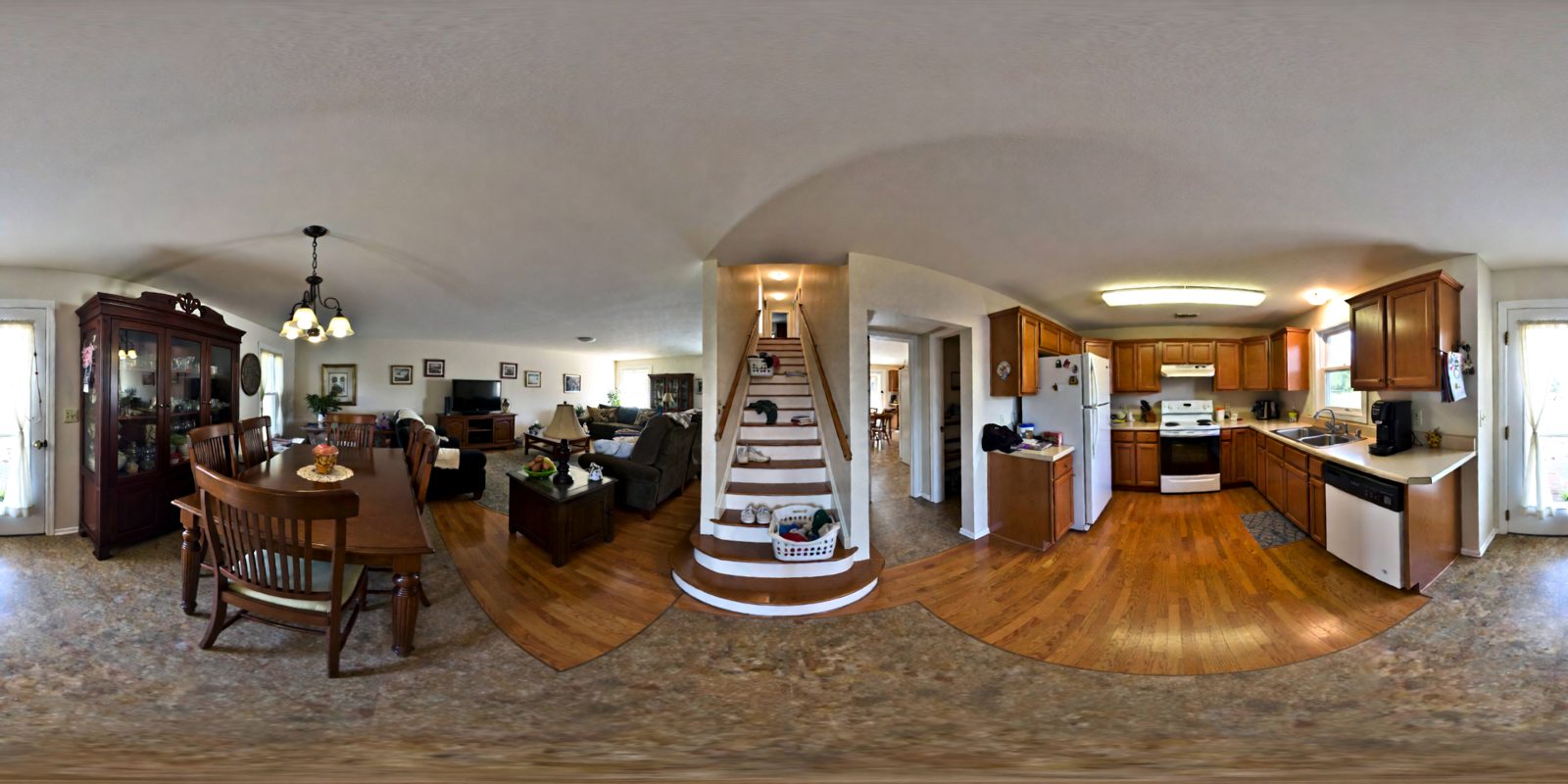
A selected world, expanded from a synthetic image with World Labs Marble into a walkable Gaussian-splat world. Recorded model walks use panoramic views from those worlds; this viewer does not score models.
Three kinds of products are about to judge safety in real homes from what a camera sees. Each one should be tested before it meets a patient.
About to share hallways with older adults. They need to know a towel bar is not a grab bar.
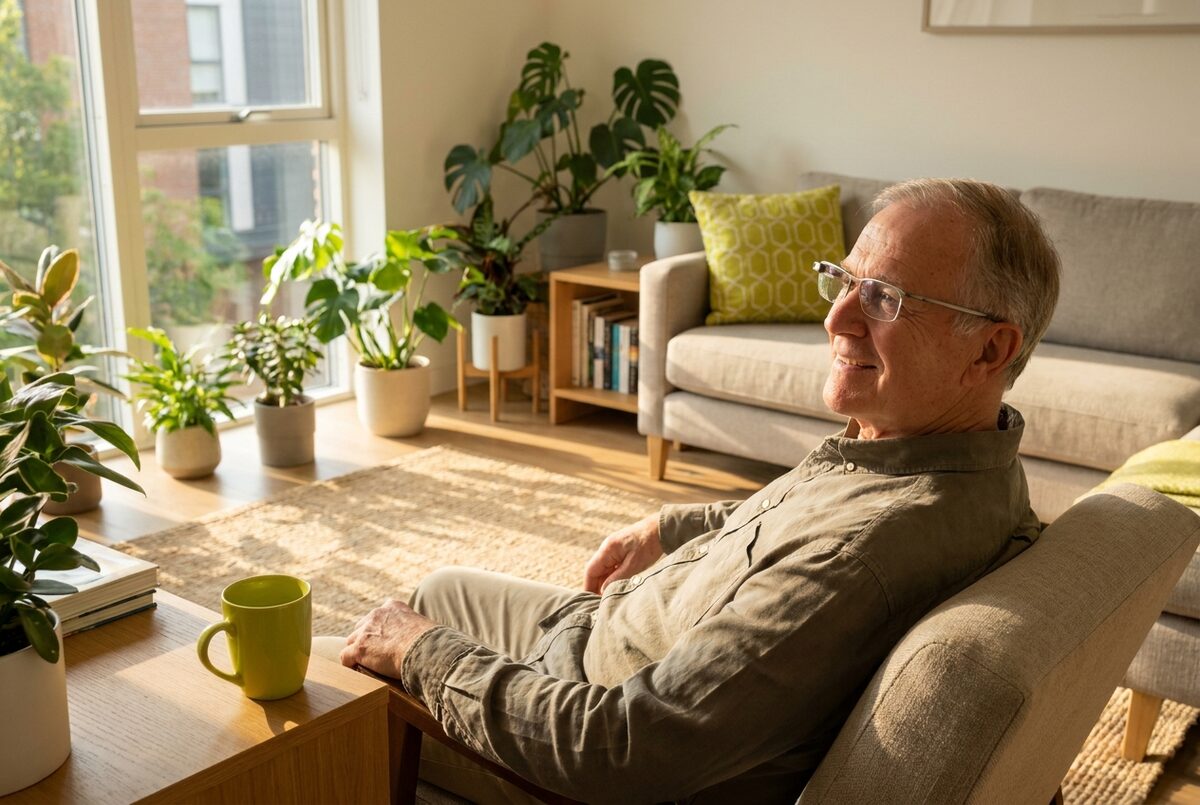
Seeing the home through the user's eyes, in every room they walk through.
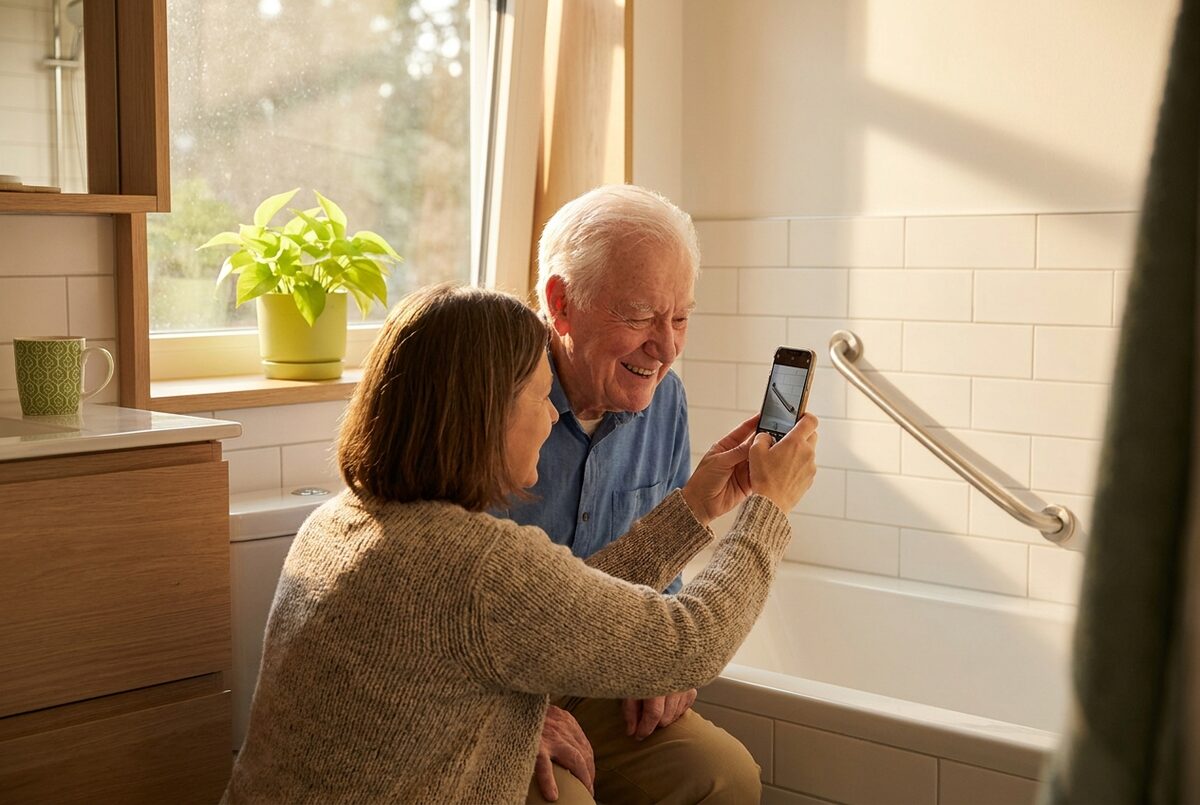
A wave of apps assessing homes from a phone camera, judging safety from pixels.
HealthDojo is a place to start: guideline-grounded synthetic homes where these models can be pressure-tested first, before any real-home study.
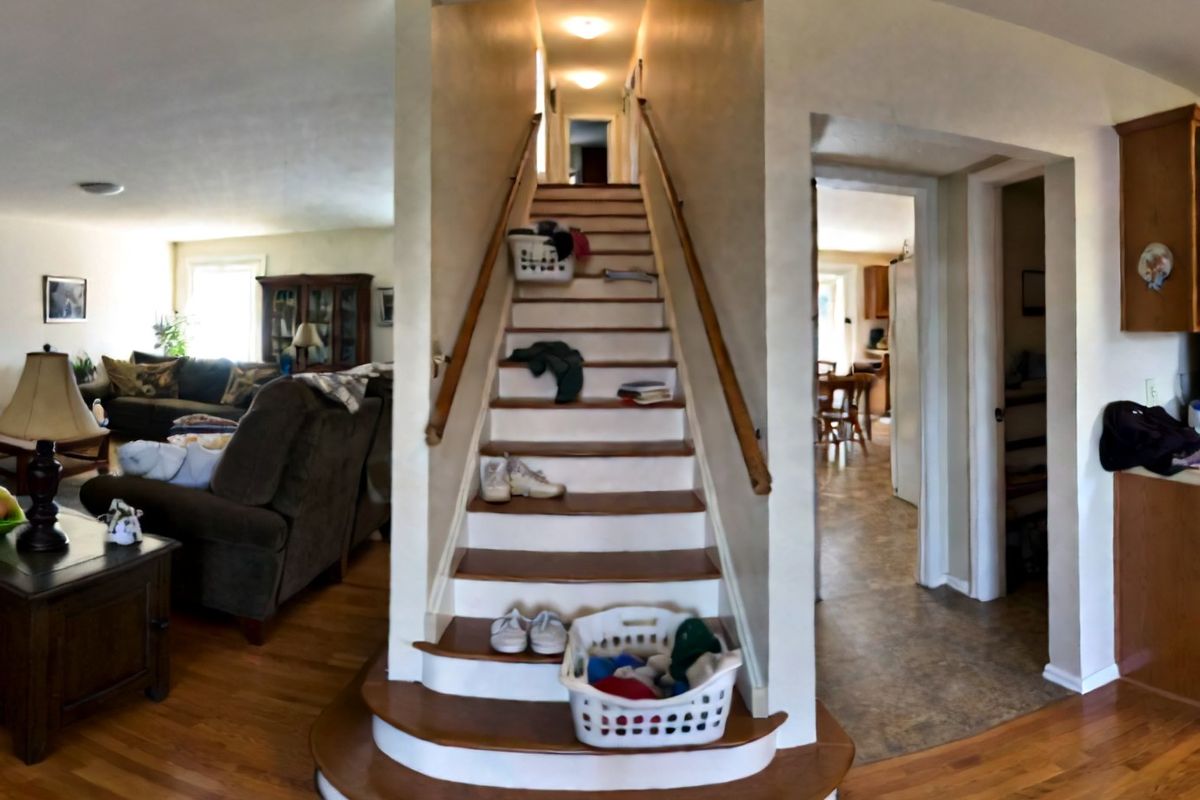
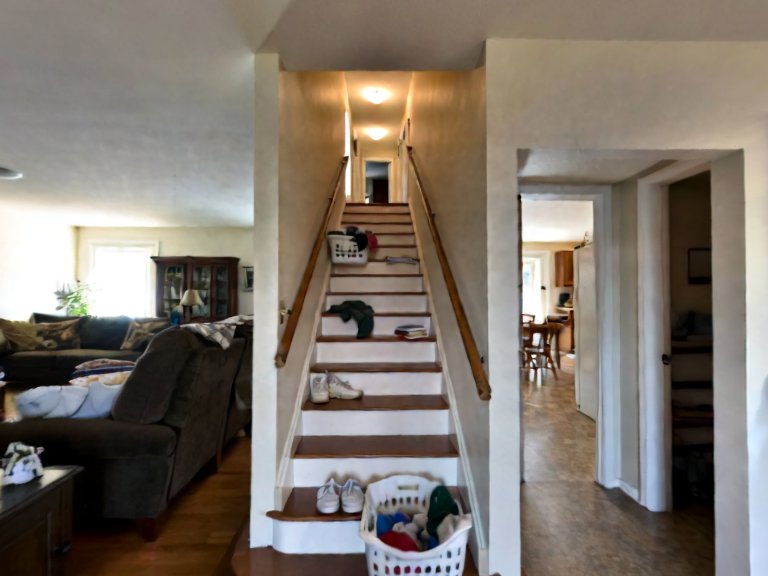
Follow one hazard, objects left on the stairs, from published guidance to a model walking the room. The rubric awaits OT/PT review, and the checks are automated.
Stairs and steps: keep objects off the stairs; …
summary of source guidancePublished home-safety guidance, summarized with its source.
STAIR-03review pendingDraft a hazard rubric from published home-safety guidance.
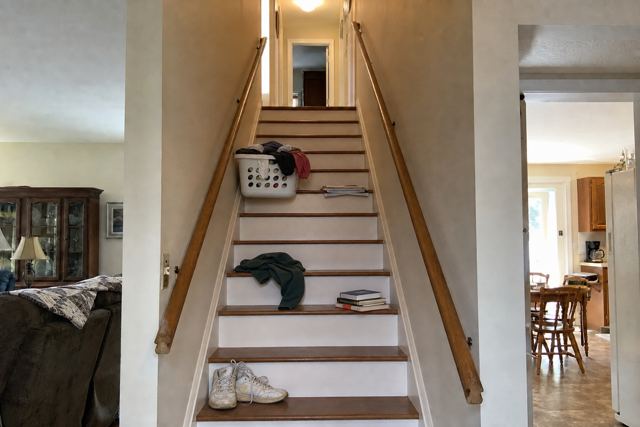
Seed a hazard in a synthetic room and check its visibility.
Expand selected images with World Labs Marble into walkable Gaussian-splat worlds.
Compare the seeded hazard with model flags and viewpoints. Recorded model walks use panoramic views from those worlds. Here, 4 of 6 recorded models flagged it within 8 steps.
In the photo benchmark, 23 of 23 models found this particular hazard. Harder ones follow below.
Saved replays show where it turned, what it flagged, and what it missed. They illustrate specific runs, not performance across the full photo benchmark.
Bathroom miss: the model looks toward a loose bath mat but flags support fixtures instead.
More recorded runs and 3D worlds →In one synthetic staircase image, 16 of 23 ranked vision models flagged a handrail that stops short. That is a single-scene finding, not an estimate of real-home accuracy. The draft rubric still awaits occupational and physical therapist review.
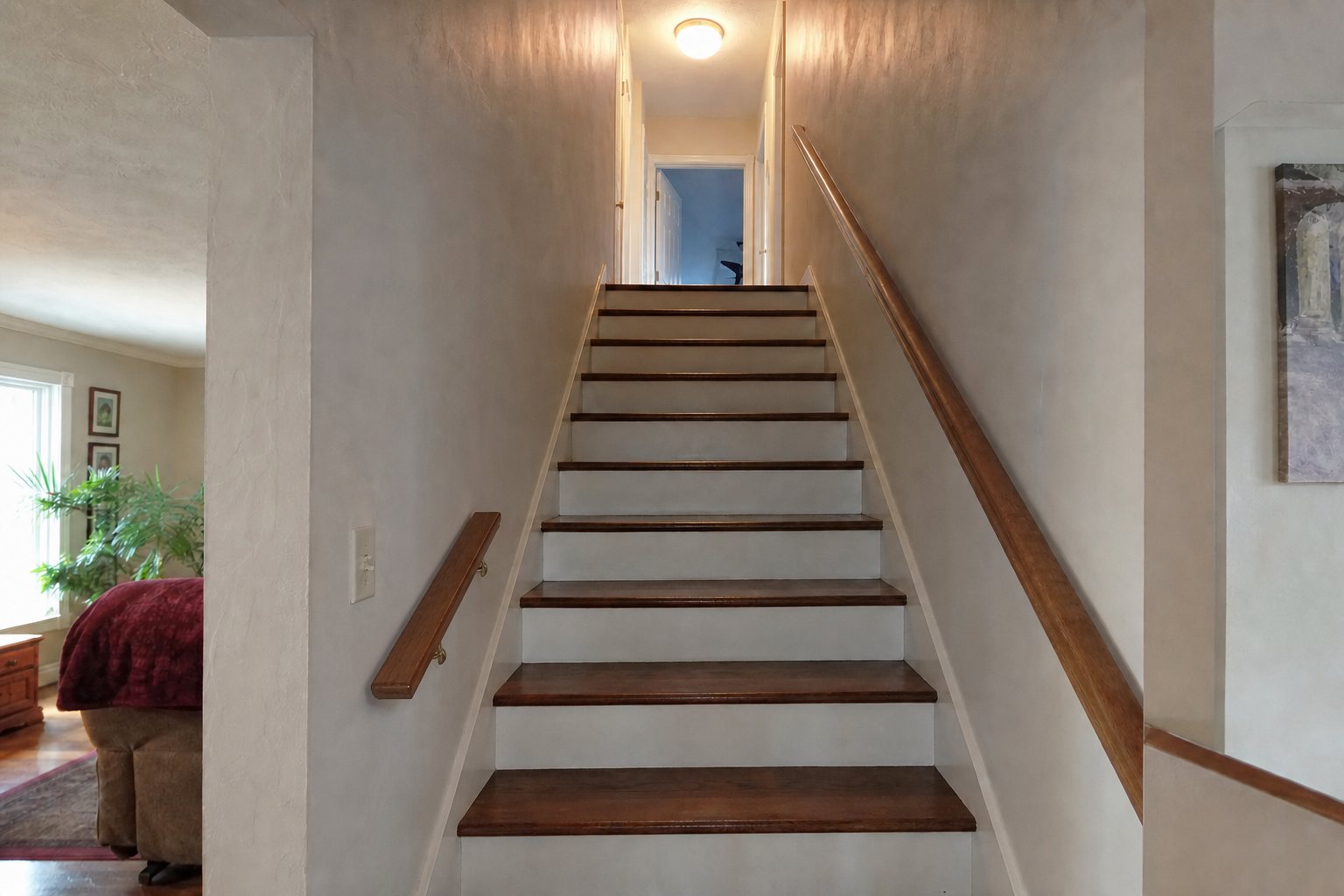
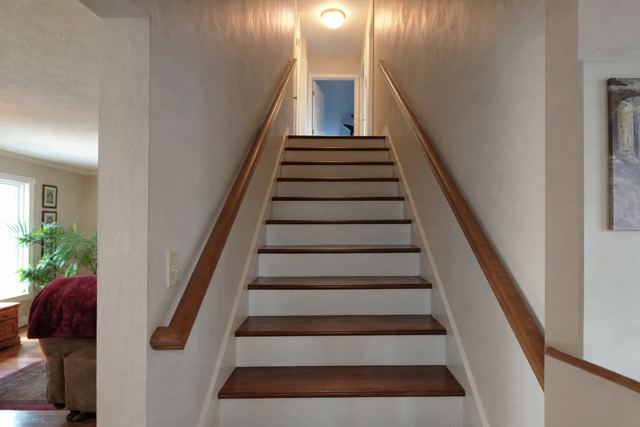 Before the edit
In this synthetic stair scene, the handrail stops short. Open the image and compare the saved model responses. This is one benchmark observation, not a prediction about safety in real homes.
HealthDojo is an open prototype for testing how vision models judge home hazards. The first themes are falls after surgery and dementia home safety.