L1Obvious
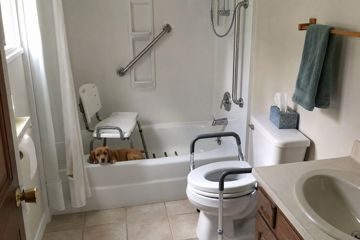
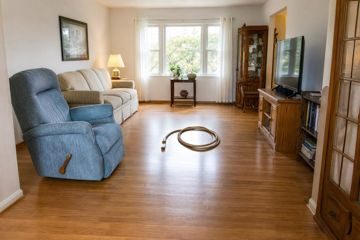
One salient hazard, clean room, good light, original base rooms.
10/10 accepted10 labels
HealthDojo asks a narrow question: when a vision model sees a synthetic home scene, does it identify a hazard deliberately placed there? HomeBench focuses on falls after joint replacement. DementiaBench focuses on home safety for a person living with dementia.
Published home-safety guidance: CDC STEADI for falls; Alzheimer's Association and NIA for dementia.
Guidance is summarized into hazard rows with a source reference. OT/PT review pending.
An image model edits one target hazard into a synthetic room. A vision model checks it is visible.
Selected scenes are rebuilt as walkable Gaussian-splat worlds (World Labs Marble).
Models list hazard IDs on photos, or walk a 360-degree room with a step budget. Saved responses are scored.
Published home-safety guidance is summarized into draft hazard rubric rows. Each row records a source reference. The displayed guidance is a summary or paraphrase unless expressly marked as a verified quotation. The rubric awaits occupational and physical therapist review.
The photo benchmark starts with a synthetic room and an edit designed to add a target hazard. A vision model checks whether the target is visible; an image difference estimates its location where appropriate. Some accepted edits contain other material changes. This is an automated check, not independent human ground truth. A separate curriculum also includes stacked hazards and safe look-alikes.
Models receive the scene, a patient context, and the benchmark’s allowed hazard IDs. Their saved responses are scored against the seeded IDs. Recall is the share of seeded targets found in scenes that model ran. The false alarm rate counts flags on a defined set of hazard IDs expected to be absent, drawn from related scene edits; it does not count every possible incorrect prediction. The composite score averages recall with the share of those IDs left unflagged. Localization is reported separately. Read each score with its scene coverage.
Explore the results beside the source-linked rubric and scene records. The code and data are open for inspection.
Draft rows: 35 for falls and 14 for dementia. Open a row for its source summary, the patient-specific rationale, and a link to its source document. No row has been marked as a verified quotation.
BATH-01No grab bar at tub/showerBathrooms: put a non-slip rubber mat or self-stick strips on the floor of the tub or shower; have grab bars put in next to and inside the tub and next to the toilet.
CDC STEADI ↗Walker cannot enter tub; transfer needs fixed support
Cross-walk: HOME FAST item 13
BATH-02No support at toiletBathrooms: put a non-slip rubber mat or self-stick strips on the floor of the tub or shower; have grab bars put in next to and inside the tub and next to the toilet.
CDC STEADI ↗Walker is not a stable push-off for sit-to-stand on toilet
Cross-walk: HOME FAST item 10
BATH-03Non-load-rated fixture positioned as supportBathrooms: put a non-slip rubber mat or self-stick strips on the floor of the tub or shower; have grab bars put in next to and inside the tub and next to the toilet.
CDC STEADI ↗Walker users reach for nearest fixed object
Cross-walk: HOME FAST item 13
BATH-04Slippery tub/shower floorBathrooms: put a non-slip rubber mat or self-stick strips on the floor of the tub or shower; have grab bars put in next to and inside the tub and next to the toilet.
CDC STEADI ↗Cannot use walker inside wet area
Cross-walk: HOME FAST item 14
BATH-05High tub step-over without transfer aidBathrooms: put a non-slip rubber mat or self-stick strips on the floor of the tub or shower; have grab bars put in next to and inside the tub and next to the toilet.
CDC STEADI ↗Walker cannot be used across tub wall
Cross-walk: HOME FAST item 11
BATH-06Low toilet seatBathrooms: put a non-slip rubber mat or self-stick strips on the floor of the tub or shower; have grab bars put in next to and inside the tub and next to the toilet.
CDC STEADI ↗Sit-to-stand from low seat is hardest transfer with walker
Cross-walk: HOME FAST item 10
BATH-07Loose bath mat or rug on bathroom floorBathrooms: put a non-slip rubber mat or self-stick strips on the floor of the tub or shower; have grab bars put in next to and inside the tub and next to the toilet.
CDC STEADI ↗Walker legs catch mat edges
Cross-walk: HOME FAST item 4, 14
BATH-08No shower seat or handheld showerBathrooms: put a non-slip rubber mat or self-stick strips on the floor of the tub or shower; have grab bars put in next to and inside the tub and next to the toilet.
CDC STEADI ↗Cannot stand unsupported for bathing
Cross-walk: HOME FAST item 12
BED-01Bed height inappropriateBedrooms: place a lamp close to the bed where it's easy to reach; put in a night-light so you can see where you're walking.
CDC STEADI ↗Walker needs level stand-up from bed edge
Cross-walk: HOME FAST item 5
BED-02No reachable bedside lightBedrooms: place a lamp close to the bed where it's easy to reach; put in a night-light so you can see where you're walking.
CDC STEADI ↗Getting up in dark while positioning walker
Cross-walk: HOME FAST item 8
BED-03Dark bed-to-bathroom pathMake sure there is a light over the stairway and good lighting everywhere you walk; put night-lights in bedroom, hall and bathroom.
CDC STEADI ↗Night trips with walker
Cross-walk: HOME FAST item 7, 15
BED-04Floor clutter around bedFloors: move furniture so your path is clear; remove throw rugs or use double-sided tape so they don't slip; pick up papers, books, towels, shoes and other objects on the floor; coil or tape cords and wires next to the wall.
CDC STEADI ↗Walker legs snag
Cross-walk: HOME FAST item 1
BED-05Insufficient walker clearance around bedBedrooms: place a lamp close to the bed where it's easy to reach; put in a night-light so you can see where you're walking.
CDC STEADI ↗Walker (24-26 in) plus feet needs ~30-36 in
Cross-walk: HOME FAST item 1, 5
STAIR-01Missing handrail or rail on one side onlyStairs and steps: keep objects off the stairs; fix loose or uneven steps; make sure carpet is firmly attached to every step, or remove it and put non-slip rubber treads on the stairs; handrails on both sides, as long as the stairs; fix loose handrails.
CDC STEADI ↗Walker cannot be used on stairs; rail + cane/crutch technique required
Cross-walk: HOME FAST item 18
STAIR-02Handrail loose, short, or not graspableStairs and steps: keep objects off the stairs; fix loose or uneven steps; make sure carpet is firmly attached to every step, or remove it and put non-slip rubber treads on the stairs; handrails on both sides, as long as the stairs; fix loose handrails.
CDC STEADI ↗-
Cross-walk: HOME FAST item 18, 19
STAIR-03Objects on stairsStairs and steps: keep objects off the stairs; fix loose or uneven steps; make sure carpet is firmly attached to every step, or remove it and put non-slip rubber treads on the stairs; handrails on both sides, as long as the stairs; fix loose handrails.
CDC STEADI ↗-
Cross-walk: HOME FAST item 1
STAIR-04Poor stair lightingMake sure there is a light over the stairway and good lighting everywhere you walk; put night-lights in bedroom, hall and bathroom.
CDC STEADI ↗-
Cross-walk: HOME FAST item 7
STAIR-05Undefined step edges / loose stair coveringStairs and steps: keep objects off the stairs; fix loose or uneven steps; make sure carpet is firmly attached to every step, or remove it and put non-slip rubber treads on the stairs; handrails on both sides, as long as the stairs; fix loose handrails.
CDC STEADI ↗-
Cross-walk: HOME FAST item 21
STAIR-06Broken or uneven stepsStairs and steps: keep objects off the stairs; fix loose or uneven steps; make sure carpet is firmly attached to every step, or remove it and put non-slip rubber treads on the stairs; handrails on both sides, as long as the stairs; fix loose handrails.
CDC STEADI ↗-
Cross-walk: HOME FAST item 20, 23
KIT-01Frequently used items stored highKitchen: move items in cabinets you use often to lower shelves (about waist level); if you must use a step stool, get one with a bar to hold on to - never use a chair as a step stool.
CDC STEADI ↗Reaching overhead while holding walker destabilizes
Cross-walk: HOME FAST item 16
KIT-02Frequently used items stored lowKitchen: move items in cabinets you use often to lower shelves (about waist level); if you must use a step stool, get one with a bar to hold on to - never use a chair as a step stool.
CDC STEADI ↗-
Cross-walk: HOME FAST item 16
KIT-03Unstable step stool or chair used for reachingKitchen: move items in cabinets you use often to lower shelves (about waist level); if you must use a step stool, get one with a bar to hold on to - never use a chair as a step stool.
CDC STEADI ↗Any climbing contraindicated early post-op
Cross-walk: HOME FAST item 16
KIT-04Slippery floor / loose mat at sink or stoveKitchen: move items in cabinets you use often to lower shelves (about waist level); if you must use a step stool, get one with a bar to hold on to - never use a chair as a step stool.
CDC STEADI ↗Walker wheels/glides skid or catch
Cross-walk: HOME FAST item 3, 4
LIV-01Throw rug / loose mat on walkwayFloors: move furniture so your path is clear; remove throw rugs or use double-sided tape so they don't slip; pick up papers, books, towels, shoes and other objects on the floor; coil or tape cords and wires next to the wall.
CDC STEADI ↗Walker legs/wheels catch rug edges
Cross-walk: HOME FAST item 4
LIV-02Cords or wires across walkwayFloors: move furniture so your path is clear; remove throw rugs or use double-sided tape so they don't slip; pick up papers, books, towels, shoes and other objects on the floor; coil or tape cords and wires next to the wall.
CDC STEADI ↗Wheels/legs catch cords
Cross-walk: HOME FAST item 1
LIV-03Cluttered or narrowed walking pathFloors: move furniture so your path is clear; remove throw rugs or use double-sided tape so they don't slip; pick up papers, books, towels, shoes and other objects on the floor; coil or tape cords and wires next to the wall.
CDC STEADI ↗Walker requires straight, clear path ~30-36 in
Cross-walk: HOME FAST item 1
LIV-04Low or soft seating without armrestsFloors: move furniture so your path is clear; remove throw rugs or use double-sided tape so they don't slip; pick up papers, books, towels, shoes and other objects on the floor; coil or tape cords and wires next to the wall.
CDC STEADI ↗Hard sit-to-stand with walker
Cross-walk: HOME FAST item 6
LIV-05Poor lighting or glareMake sure there is a light over the stairway and good lighting everywhere you walk; put night-lights in bedroom, hall and bathroom.
CDC STEADI ↗-
Cross-walk: HOME FAST item 7
LIV-06Unmarked level change / step-down between roomsFloors: move furniture so your path is clear; remove throw rugs or use double-sided tape so they don't slip; pick up papers, books, towels, shoes and other objects on the floor; coil or tape cords and wires next to the wall.
CDC STEADI ↗Walker must be lifted over step; front wheels catch
Cross-walk: HOME FAST item 21
LIV-07Pets and pet items underfootFloors: move furniture so your path is clear; remove throw rugs or use double-sided tape so they don't slip; pick up papers, books, towels, shoes and other objects on the floor; coil or tape cords and wires next to the wall.
CDC STEADI ↗Pets tangle in walker
Cross-walk: HOME FAST item 25
ENT-01Exterior steps without handrailStairs and steps: keep objects off the stairs; fix loose or uneven steps; make sure carpet is firmly attached to every step, or remove it and put non-slip rubber treads on the stairs; handrails on both sides, as long as the stairs; fix loose handrails.
CDC STEADI ↗Walker unusable on steps; entry is required at discharge
Cross-walk: HOME FAST item 19
ENT-02Raised threshold or door sillStairs and steps: keep objects off the stairs; fix loose or uneven steps; make sure carpet is firmly attached to every step, or remove it and put non-slip rubber treads on the stairs; handrails on both sides, as long as the stairs; fix loose handrails.
CDC STEADI ↗Front wheels/legs catch
Cross-walk: HOME FAST item 22
ENT-03Uneven or damaged outdoor pathFloors: move furniture so your path is clear; remove throw rugs or use double-sided tape so they don't slip; pick up papers, books, towels, shoes and other objects on the floor; coil or tape cords and wires next to the wall.
CDC STEADI ↗Walker wheels stick in gravel/cracks
Cross-walk: HOME FAST item 23
ENT-04Poor exterior lightingMake sure there is a light over the stairway and good lighting everywhere you walk; put night-lights in bedroom, hall and bathroom.
CDC STEADI ↗-
Cross-walk: HOME FAST item 9
ENT-05Doorway too narrow for walkerStairs and steps: keep objects off the stairs; fix loose or uneven steps; make sure carpet is firmly attached to every step, or remove it and put non-slip rubber treads on the stairs; handrails on both sides, as long as the stairs; fix loose handrails.
CDC STEADI ↗Core walker clearance check (24-26 in walker; 32 in ADA door)
Cross-walk: HOME FAST item 22
DEM-K01Stove burner left on, knobs freely usablehighUse stove knob covers or remove knobs, shut off gas when not cooking, prefer appliances with automatic shut-off.
Alzheimer's Association ↗Forgetting a lit burner and misjudging heat are core dementia fire/burn risks; a person may turn knobs on repeatedly. Fix: knob covers, automatic shut-off device, or disconnect the stove.
DEM-K02Knives and sharps out on the counterhighJudgment about sharp objects declines; knives should be locked away rather than left in the open.
DEM-K03Cleaning chemicals out and unlockedhighKeep bleach and laundry pods out of sight, secured, in original containers so they are not swallowed.
Alzheimer's Association ↗Colorful pods and bottles can be mistaken for food or drink by a person with dementia (ingestion/poisoning).
DEM-K04Medication bottles left outhighClear prescription drugs and vitamins off counters and tables; lock medications away.
Alzheimer's Association ↗Unsupervised access risks double-dosing or skipped doses; medications should be locked and dispensed by a caregiver.
DEM-B01Razor and medications out on the sinkhighSharps and medications in the bathroom are a common unsupervised-access point.
DEM-B02White toilet seat on white toilet and floor (low contrast)mediumChoose a toilet seat and fittings that contrast with wall and floor so they can be found.
Alzheimer's Society (UK) ↗Reduced contrast sensitivity makes a white-on-white toilet hard to locate; a colored seat helps with toileting and sitting safely.
DEM-B03Dark bath mat on a light floormediumDark rugs and mats can look like obstacles or holes in the floor.
Alzheimer's Society (UK) ↗A dark mat can be perceived as a hole or step by someone with dementia, causing freezing, stepping over, or falls.
DEM-B04Plugged-in hair dryer by the sinkhighRemove small electrical appliances from the bathroom and cover outlets.
NIA ↗Electrical appliances near water are a shock risk when judgment is impaired.
DEM-R01Large mirror facing the bedmediumUse fewer, smaller, carefully placed mirrors; reflections can confuse (Alzheimer's Society: remove or cover them).
NIA ↗A person with dementia may not recognize their own reflection and think a stranger is in the room, causing fear or agitation.
DEM-R02Bold high-contrast patterned rugmediumAvoid busy patterns; a change in floor pattern can be mistaken for a step because depth perception changes.
NIA ↗Busy patterns can be misread as steps, objects or holes, causing hesitation, reaching for things that are not there, or falls.
DEM-R04Space heater next to beddinghighPortable heaters near fabric are a fire and burn risk that a person with dementia may not recognize.
DEM-E01Car keys hanging by the front doorhighRemove access to car keys once the person no longer drives.
Alzheimer's Association ↗Visible car keys invite unsafe driving once driving has stopped; keys should be kept out of sight.
DEM-E02Front door left open to the outsidehighMost people with dementia will wander; secure exterior doors (deadbolts out of eye line), disguise exits or add door alerts.
Alzheimer's Association ↗Six in ten people with dementia will wander; an unsecured, open exit is the main wandering pathway.
DEM-E03Clutter piles in the walkwaymediumRemove throw rugs, cords and extra clutter; keep floors clear.
Alzheimer's Association ↗Clutter increases falls and confusion; visual crowding makes navigation harder for people with dementia.
The curriculum is designed in five levels. Each card shows how many generated images passed the automated check; the harder levels have few so far.
One salient hazard, clean room, good light, original base rooms.
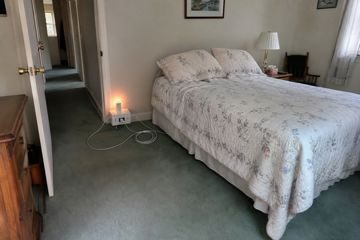
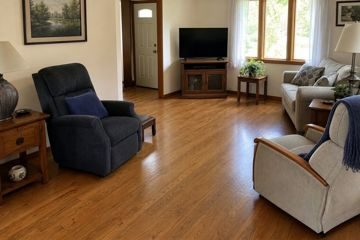
One hazard that requires judging adequacy (towel bar used as grab bar, short handrail, low-contrast mat) or is small / partially occluded.
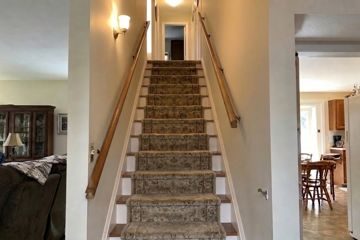
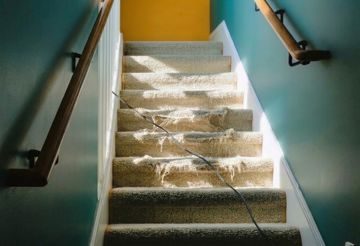
Two hazards stacked in one room plus one safe look-alike distractor (e.g. a proper anchored grab bar, a flat non-slip mat) that must not be flagged.
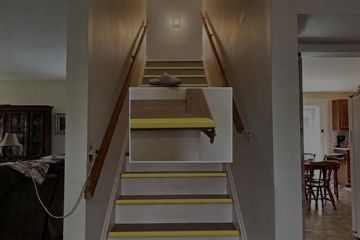
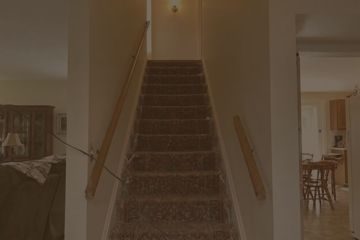
3-4 hazards (some subtle) plus 2 distractors, with realism degradations: dim or night lighting, soft focus/noise, new base homes.
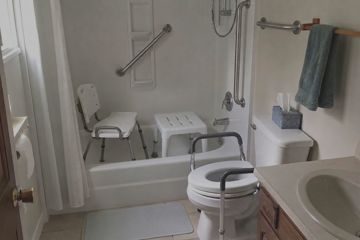
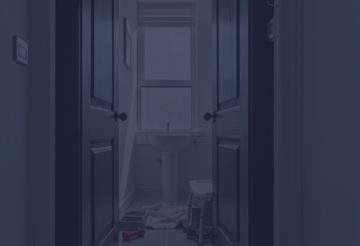
~40% safe-but-scary rooms (0 hazards, only look-alikes: negatives) and ~60% rooms with 4+ hazards, several subtle adequacy/measurement ones, in poor light.
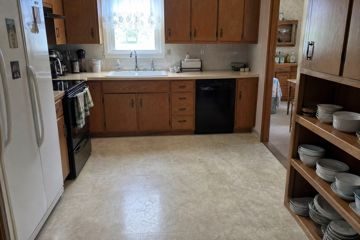
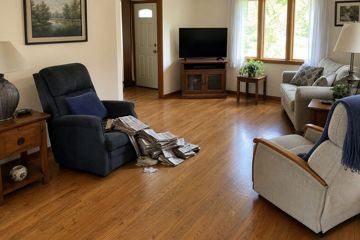
One salient hazard, clean room, good light, original base rooms.
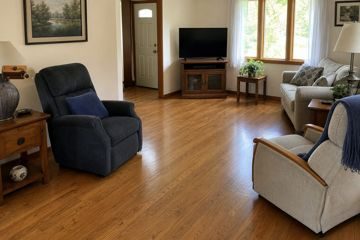
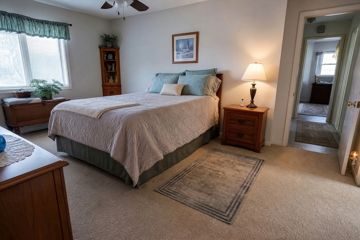
One hazard that requires judging adequacy (towel bar used as grab bar, short handrail, low-contrast mat) or is small / partially occluded.
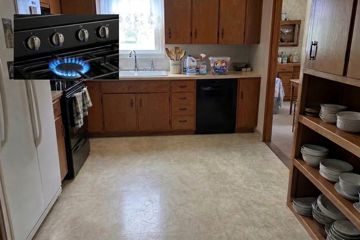
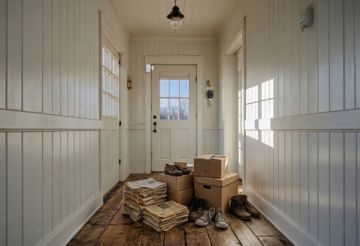
Two hazards stacked in one room plus one safe look-alike distractor (e.g. a proper anchored grab bar, a flat non-slip mat) that must not be flagged.
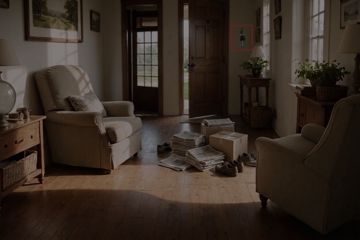
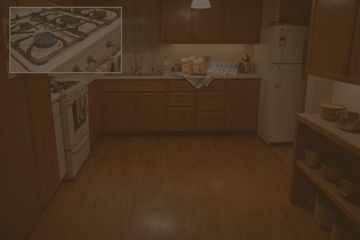
3-4 hazards (some subtle) plus 2 distractors, with realism degradations: dim or night lighting, soft focus/noise, new base homes.
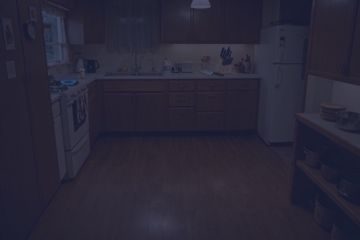
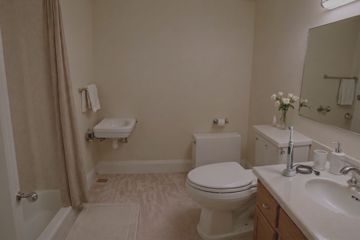
~40% safe-but-scary rooms (0 hazards, only look-alikes: negatives) and ~60% rooms with 4+ hazards, several subtle adequacy/measurement ones, in poor light.
Scenes and walkable worlds are synthetic. Rubric rows await clinician review, and performance in real homes or patient care has not been established. Automated acceptance can miss changes beyond the target hazard. Samples are small, model coverage differs, and rankings are directional. Recorded walkthroughs use selected worlds and should be read separately from the photo leaderboard.